


Views: 0 Author: Site Editor Publish Time: 2026-03-10 Origin: Site


A hot water circulation pump pushes hot water through your pipes. This means you get hot water right away when you turn on the faucet. You do not have to wait for the water to get hot because the system keeps hot water ready all the time.
Hot water circulation gives you hot water instantly at every tap.
You save time because you do not have to wait for hot water.
Hot water circulation systems move hot water around your home, so daily routines are easier.
You get more comfort and convenience with steady hot water circulation.
A Circulating Pump makes this process easy and works well, so you always have hot water when you need it.
Hot water circulation pumps give you hot water right away at every faucet. This saves you time and makes things more comfortable.
These pumps help save water because you do not have to let the tap run while waiting for hot water.
SPMC Circulating Pumps work well and use less energy. They are a good choice for homes and businesses.
If you check the seals and clean the impellers often, your pump will work better and last longer.
You can use timers or sensors to control the pump. This means it only works when you need hot water, so you save energy.
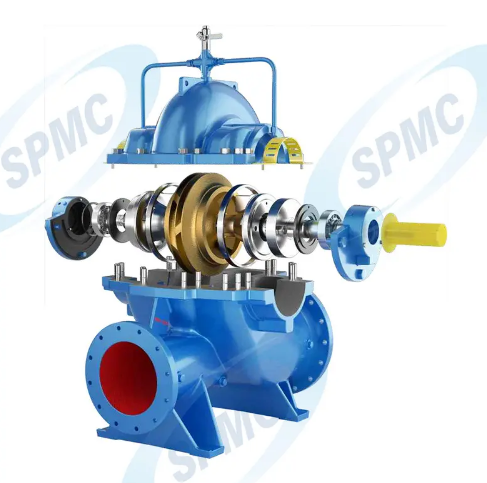
A circulating pump moves water or other fluids in a loop. You use this pump to keep hot water moving in your pipes. This helps you get hot water fast at any faucet. You do not need to wait for the water to heat up because the pump keeps it flowing.
A circulator pump works best when the fluid does not need to go up high. It pushes water through pipes to beat friction and keeps the flow steady. You often see these pumps in heating or cooling systems.
Here are some facts about circulating pumps:
A circulating pump keeps water moving in a closed loop.
It works well when there are small height changes.
You find circulator pumps in heating and cooling systems.
The main job is to move a lot of water and keep it flowing.
The SPMC Circulating Pump is a strong and reliable choice. You can use it in homes or big buildings. SPMC makes pumps that give steady flow and work well. You get hot water right away and steady pressure with this pump.
You see circulating pumps in many places.
In homes, a circulating pump gives hot water at sinks and showers. You save water and time because you do not have to wait.
In factories and power plants, a circulating pump keeps cooling water moving. It stops machines from getting too hot and helps things run well.
Here are some common uses:
Residential: Hot water for faucets and showers.
Industrial: Cooling systems, boilers, and heat exchangers.
You can pick an SPMC Circulating Pump for many jobs. SPMC has models for homes and big buildings. You save energy and get easy care with SPMC pumps.
A hot water circulation system uses several key parts to keep water moving and ready for you. Each part has a special job. When you know these parts, you can understand how the system works and why it is reliable.
The pump unit is the heart of your hot water circulation system. You use this small motor to move water in a closed loop. The pump keeps water flowing, so you always get hot water at your tap. When the pump turns on, it pulls cooler water from the pipes and sends it back to the water heater. The heater warms the water again and pushes it back into the hot water lines. This cycle repeats, so you do not have to wait for hot water.
SPMC Circulating Pumps stand out because they use double-suction and split-case designs. These features help the pump run smoothly and make maintenance easy. SPMC pumps also focus on energy efficiency, which helps you save money on electricity.
You need pipes and valves to guide the water through your system. The pipes form a loop that connects your water heater to all your faucets and fixtures. Some systems use a dedicated return line, while others use a crossover valve to send water back through the cold line.
Valves play an important role. A check valve stops water from flowing backward. This keeps the water moving in the right direction and prevents mixing of hot and cold water. You may also find shut-off valves that let you stop the flow for repairs or maintenance.
Tip: Good pipe layout and quality valves help your system work better and last longer.
Controls and sensors make your system smart and efficient. You can use a timer, temperature sensor, or motion detector to turn the pump on and off. This saves energy because the pump only runs when you need hot water.
Here is a table showing how advanced controls improve your system:
Feature/Technology | Benefits |
|---|---|
Improved system control and responsiveness | Pumps run only when needed, saving energy and reducing wear. |
Sensorless Pump Control (SPC) | Easy setup, less maintenance, and automatic flow adjustments. |
Design Envelope Technology | Adapts to changes in your home, like more people or different weather, for steady hot water. |
SPMC offers pumps with these smart features. You get reliable hot water, lower energy bills, and less maintenance.
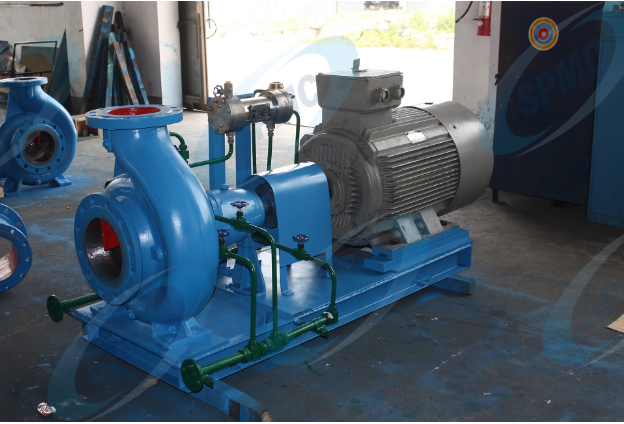
You begin recirculation by setting up your system. You must know how big your pipes are. You also need to check how your pipes are arranged. It is important to find out how much heat your pipes lose. This helps you pick the right circulator pump for your home or building. Here is a simple guide to start recirculation:
Find details about your pipes. Measure how long your pipes are and count the fixtures.
Figure out the flow rate you need. This shows how much water must move to keep hot water ready.
Learn the discharge head for your circulator pump. This is the pressure needed to push water through your pipes.
Size your recirculation pipes. Use the correct equations to make sure water flows well.
You can use an SPMC circulator pump for reliable operation. SPMC models help you start recirculation fast and keep your system working smoothly.
After you start recirculation, your circulator pump keeps hot water moving in a loop. The pump pulls cooler water from the pipes and sends it back to the heater. The heater warms the water and pushes it out again. This cycle repeats all day.
Circulating pumps are used to move hot water so you get hot water right away when you turn on the faucet. Sometimes, the pump waits until you ask for hot water to save energy. By adding a circulator pump and always moving a little hot water through the pipes, the water stays hot. You do not waste water while waiting.
You get hot water at every tap instantly. Recirculation saves water because you do not need to let cold water run down the drain. Your circulator pump keeps the loop full of hot water, so you always have comfort and convenience.
SPMC circulator pumps use advanced designs to keep recirculation steady. Double-suction and split-case features help the pump handle large flows and make maintenance easy. You can trust SPMC for reliable recirculation in homes and large buildings.
Here is a table showing how SPMC circulator pumps support recirculation and pump operation:
Feature | Description |
|---|---|
High Efficiency & Energy Saving | Achieves great energy efficiency, lowering costs a lot. |
Reliable Operation & Durability | Works well in tough conditions, lasts longer, and needs less maintenance. |
Excellent Solid Particle & Fiber Handling | Moves fluids with solid particles and fibers, stops clogging in wastewater. |
Rational Structure & Flexible Installation | Fits many spaces, easy to put together and fix. |
Versatile Model Options | Has different models for special installation and performance needs. |
You control recirculation with smart devices. Timers, thermostats, and motion sensors help you manage your circulator pump. You can set a timer to run the pump only during busy hours. A thermostat turns the pump on or off based on water temperature. Motion sensors start recirculation when someone enters the room.
Pumps in hot water recirculation systems can be controlled by timers, thermostats, control panels, or motion sensors.
Timers let the pump work only during busy times, saving energy.
Thermostats turn the pump on or off based on water temperature, so energy is not wasted.
If pumps run all the time, you get instant hot water but use more energy.
Timers and thermostats help save energy by running the pump only when needed.
On-demand systems need you to turn them on, which can be less convenient but saves energy.
You can choose how your circulator pump works. Recirculation can run all day or only when you need hot water. SPMC circulator pumps offer flexible controls and energy-saving features. You get instant hot water, lower energy bills, and easy maintenance.
Recirculation systems make your daily routine easier. You do not have to wait for hot water. You save water and energy. Your circulator pump keeps your system running smoothly and reliably.
You can pick from different hot water recirculation setups for your home. Each system works in its own way to give you domestic hot water fast. Knowing these choices helps you find the best one for your needs.
A dedicated return line system uses a separate pipe. This pipe goes from the farthest faucet back to the water heater. Hot water moves in a loop, so you always get domestic hot water at every tap. You usually see this system in new homes or big remodels. It stops hot and cold water from mixing, so it works very well.
Tip: If you want to build a new house, a dedicated return line gives you the best hot water recirculation performance.
An under-sink retrofit system works with your current plumbing. You put the pump under the sink or near the water heater. This system pushes hot water through your pipes to the fixtures. You do not need a separate return line. You can add this system to older homes without big changes. It saves water and gives you hot water faster.
Simple to install in most homes
Uses your current pipes
Good for upgrades without big construction
You should know how these systems are not the same before you choose. Here is a table that shows the main features:
Feature | Dedicated Return Line System | Under-Sink Retrofit System |
|---|---|---|
Installation Requirements | Needs a separate return line, best for new builds or remodels | Installs easily, uses existing pipes |
Efficiency | Most efficient, prevents mixing of hot and cold water | Less efficient, relies on current plumbing |
Operation | Circulates hot water through a dedicated loop | Pushes water through existing pipes to fixtures |
SPMC has circulating pump models for both setups. You can pick a high-efficiency pump for a dedicated return line. Or you can choose a flexible model for an under-sink retrofit. SPMC pumps help your hot water recirculation system work well, no matter which setup you use.
You get hot water right away with a circulating pump. The system keeps hot water moving in your pipes, so you do not wait. In regular systems, you must run the faucet until hot water comes. With hot water recirculation, you save time and feel more comfortable every day. This means you can start your shower or wash dishes without waiting. Businesses like hotels and hospitals also get instant hot water, which helps them work better.
Note: Hot water recirculation systems give you almost instant hot water at every fixture. You do not have to wait like with old plumbing.
A circulating pump helps you save water and energy. The pump sends unused hot water back to the heater until it is hot enough. You do not waste water while waiting for it to heat up. In a normal home, you can save up to 11,461 gallons of water each year. Many homes together waste billions of gallons just waiting for hot water. You also pay less for energy because the pump only runs when needed. SPMC pumps use special designs to help you save money.
Here is a table showing the main benefits:
Benefit | Description |
|---|---|
Reduces Water Waste | Circulates water back to the heater, saving thousands of gallons annually. |
Lowers Energy Usage | Operates on demand, reducing energy consumption and lowering utility bills. |
Enhances Comfort | Provides immediate access to hot water, improving daily routines and business operations. |
You can trust your circulating pump to work well. SPMC pumps are strong and last a long time. They do not need much maintenance. You should check the mechanical seal every month. Look at the bearing lubrication every three months. Clean the impeller two times a year. These steps are what most experts suggest. Regular checks help you find problems early. Cleaning takes out dirt that can slow the pump. Lubrication helps parts move smoothly. SPMC pumps are easy to take care of because of their split-case and double-suction features.
Tip: Checking your pump often and changing parts on time keeps it working well and stops expensive repairs.
A circulating pump can make your property worth more. People who care about saving water and energy like these pumps. SPMC pumps are easy to install and do not need much care, so they are a smart choice for any building.
You can easily understand how a hot water circulation pump works by following these steps:
Activate the pump with a timer, sensor, or switch.
The pump moves cooled water back to the heater.
The heater warms the water.
Hot water returns to your pipes, ready for use.
With this system, you enjoy instant hot water, save energy, and reduce water waste. Many pumps are simple to install and require little maintenance. When you know how the system works, you can choose the best option for your home—even as a DIY project.
You do not waste water while waiting for it to get hot. The pump keeps hot water moving in your pipes. You get hot water right away, so you use less water every day.
Yes, you can. You use a circulating pump to move heated water through radiators or underfloor pipes. This helps you keep your home warm and comfortable.
You should check the pump for leaks and noise every month. Clean the impeller twice a year. Lubricate bearings if needed. Regular checks help your pump last longer.
You can use timers, thermostats, or motion sensors. These controls let you set when the pump turns on and off. You save energy by running the pump only when you need hot water.


