


Views: 0 Author: Site Editor Publish Time: 2026-03-03 Origin: Site


A condensate pump moves water made from steam or cool air. This water turns into liquid. You can find this pump in home heating and cooling systems. It is also used in big factories. Using a condensate pump makes your system work better. It also keeps your system safe.
The table below shows how these pumps help you follow safety rules. It also shows how they keep your system working well:
Feature | Benefit |
|---|---|
Safety Features | Stop overheating and control pressure |
Regulatory Standards | Follow strict rules for safe use |
Regular Inspections | Find problems before they get worse |
Maintenance Importance | Keep your system working well and safe with regular care |
A condensate pump takes water away from steam or cool air. This stops your HVAC system from getting damaged. It also helps your system work better.
You need to clean and check your condensate pump often. This keeps it working well. It also helps you avoid expensive repairs.
Pick the right condensate pump for your needs. This could be for your home, a business, or a factory. The right pump helps manage water well.
Learn about the main parts of a condensate pump. This helps you fix problems. It also helps you keep the pump working its best.
Buying a good condensate pump can save you money over time. It lowers energy bills and stops your system from breaking down.
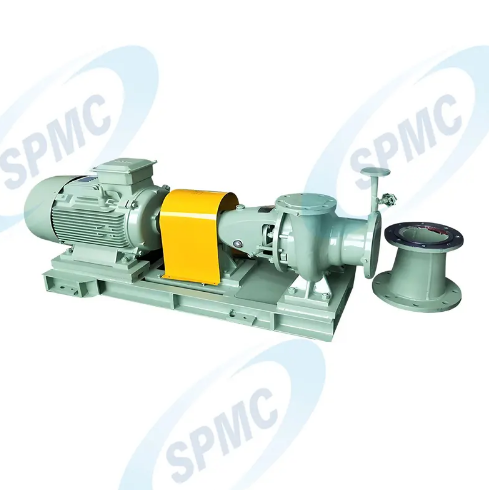
A condensate pump moves water made from steam or cool air. This water turns into liquid. Industry standards say a condensate pump is a special pump. It moves condensate water in HVAC, refrigeration units, condensing boilers, and steam systems. The pump keeps your equipment safe and dry. It stops water from building up and causing damage.
Condensate pumps have gotten better in the last ten years. New pumps use less energy and work more reliably. Smart systems help you check how well the pump works. Variable speed drives and advanced controls make it easier to manage water flow. These changes help you save energy and support the environment.
A condensate pump keeps your system working well. It protects your equipment and helps you avoid expensive repairs.
Condensate pumps are used in many places. In homes, they manage water from air conditioners, furnaces, and dehumidifiers. You often put these pumps in basements or crawl spaces. They keep your home safe by removing water and stopping damage.
In commercial buildings, condensate pumps handle water from big HVAC systems. They stop water from hurting walls and floors. In greenhouses and farms, they control water from climate systems. This helps plants grow in the best conditions.
Factories and power plants need condensate pumps for tough jobs. In steam systems, they move condensed steam from tanks to other equipment. More than 70% of commercial HVAC systems use electric condensate pumps for good drainage. You also find them in refrigeration and cold storage. These pumps help meet health rules and keep places clean.
Manufacturing uses condensate pumps to keep things running smoothly. They help meet environmental standards. Medical and lab equipment depend on these pumps to manage water from sterilizers and autoclaves.
Checking and caring for condensate pumps is important. You stop clogs and keep your system working well.
You must pick the right pump for your needs. For factories, the SPMC NLO Vertical Can Type Condensate Pump is a good choice. It works well in power plants and steam systems. Its vertical can design gives strong suction and lowers cavitation risks. You get steady flow and high efficiency, which is important for nonstop work.
Condensate pumps must meet safety and performance standards. CE certification is important for home and factory pumps. You make sure your pump is safe and reliable by checking for these certifications.
Here is a quick look at where you use condensate pumps:
HVAC systems in homes and commercial buildings
Refrigeration units and cold storage facilities
Steam heating systems in factories and power plants
Medical and laboratory equipment
Greenhouses and agricultural climate systems
Manufacturing processes
Condensate pumps are important in many systems. They help manage water, protect equipment, and keep your environment safe.
You can understand a condensate pump by looking at how it moves water. When your air conditioner or steam system runs, it creates condensate. This water collects in a tank or tray. The pump senses when the water level gets high. It then turns on and starts to work.
Here is how the process works:
The pump uses centrifugal force to move the liquid.
The impeller spins quickly. This spinning creates a low-pressure area that pulls in the condensate.
The motion pushes the water outward and up through the pump casing. This helps the water move efficiently to a drain or another part of your system.
A condensate pump does more than just move water. It keeps your system safe by removing water before it builds up. This prevents damage and keeps everything running smoothly. You also protect indoor air quality because the pump reduces the risk of mold and bacteria growth. You can install these pumps in places where gravity drainage will not work.
Tip: Regularly check your pump to make sure it removes condensate quickly. This helps prevent overflow and keeps your system efficient.
You will find several important parts inside a condensate pump. Each part has a special job:
Pump Motor: Powers the impeller and moves the condensate.
Impeller: Spins to create the force that moves the water.
Float Switch: Senses the water level and turns the pump on or off.
Reservoir or Tank: Collects the condensate before pumping.
Discharge Pipe: Carries the water away from the pump.
The materials used in these parts matter a lot. Stainless steel works well because it resists corrosion from things like carbonic acid. Some pumps use schedule 80 carbon steel for strength and cost savings. When you choose the right material, you help your pump last longer and work better. You also lower maintenance needs and save money over time.
The right material lets your pump handle tough environments. Durability and good performance depend on strong construction. Always think about the type of condensate, temperature, and any harsh chemicals when picking a pump.
There are different condensate pumps for different jobs. Some pumps are made for homes. Others are for offices or big factories. You pick a pump based on how much water you need to move. You also think about where you will use the pump.
Most homes and small businesses use two main kinds of pumps. Standard pumps work for most heating and cooling systems. Mini pumps are smaller. They fit inside or near mini-split air conditioners. Each pump handles water in its own way.
Here is a table that compares standard and mini condensate pumps:
Type | Capacity | Application |
|---|---|---|
Standard Condensate | Typically larger | Used in residential and small commercial HVAC |
Mini Condensate | Up to 8 gallons/hour | Designed for mini-split air conditioning systems |
Standard pumps move more water at once. You use them in regular HVAC systems or small businesses. Mini pumps move less water. They fit in small spaces and are quiet. Both types help keep your equipment safe from water damage.
Factories and power plants need special pumps. These pumps handle more water and work in tough places. Industrial pumps are strong and move lots of water fast. They work well when pressure is high or space is tight.
Here is a table that shows how industrial pumps are different from residential pumps:
Feature | Industrial Models | Residential Models |
|---|---|---|
Flow Rate | Higher flow rates | Lower flow applications |
Operating Conditions | More demanding conditions (low NPSHA, high pressures) | Simpler conditions |
Design Type | Vertical or multistage designs | Generally simpler designs |
Speed | Can operate at higher speeds | Operate at relatively low speeds |
If you need a pump for a power plant or steam system, you can use the SPMC NLO Vertical Can Type Condensate Pump. This pump has a vertical can design. It works well in places with little space and tough suction. The pump moves water with low NPSH. This helps stop problems like cavitation. You get steady flow, high efficiency, and strong performance.
There are many types of condensate pumps. You can find one for your home, business, or factory. Each type helps you manage water and protect your equipment.
You can install a condensate pump in your HVAC system by following a few simple steps. Start by choosing a spot close to your air conditioner or furnace. Make sure the area is level and secure the pump in place. Connect the inlet hose from the drain pan to the pump’s reservoir. Attach the outlet hose and direct it to a safe drain or outside. Wire the pump to a power source, following all local electrical codes. If you use a furnace, connect the safety switch to the control board. Test the system by pouring water into the reservoir. Watch to see if the pump activates and removes the condensate.
Tip: Always wear gloves, safety glasses, and non-slip shoes when you install a condensate pump. Work in a space with good airflow. Handle all metal parts with care to avoid cuts.
You need to clean a condensate pump often to keep it working well. Mold, algae, and debris can block the system if you do not clean it. Even if you do not see a clog, a deep cleaning helps the pump last longer and work better. You should maintain a condensate pump with regular checks and cleaning.
Here is a simple maintenance schedule you can follow:
Task | How Often |
|---|---|
Check float switch & basin | Monthly |
Clean basin & drain lines | Quarterly |
Disinfect and deep clean | Annually |
Replace float switch | Every 2 years |
Each month, look at the float switch and basin. Make sure the float moves freely and there is no debris. Every three months, clean the basin and drain lines. Test the safety switch and alarms. Once a year, remove and clean the float mechanism. Disinfect the basin and check for any worn parts. Every two years, replace the float switch if it shows signs of wear. Update your maintenance records each time you clean a condensate pump.
Note: Use gentle cleaning products to avoid damaging the pump. Always follow the manufacturer’s instructions when you maintain a condensate pump.
You may notice problems if your condensate pump stops working. Condensate can build up in your hvac system or steam equipment. This buildup lowers efficiency and wastes energy. It can also cause corrosion and damage pipes or valves. If you do not manage condensate, it may block steam traps. This can lead to dangerous pressure inside the system.
When you see water around your pump or hear strange noises, you should check for these common issues:
The float switch may not move freely.
The drain tube could be blocked, kinked, or frozen.
The impeller might have debris or sludge.
The pump may not sit level, causing vibration.
Electrical problems can stop the pump from turning on.
You can follow these steps to fix many problems:
Remove the pump cover and clean out any sludge or sediment.
Check the drain line for blockages or disconnections.
Lift the float by hand to see if the pump starts.
Unplug the pump and plug it back in to reset it.
Make sure the pump sits flat and does not shake.
If you still have trouble, look for a stuck float rod, vacuum issues, or a clogged vent line. Always check the temperature in the boiler room and make sure the master trap works.
Tip: Clean your condensate pump often to prevent most problems.
A well-maintained condensate pump can last between 20 and 30 years. You help your pump last longer by cleaning it and checking for problems often. Most pumps for homes and small businesses cost between $50 and $300. Industrial models, like those used in power plants, can cost much more because they handle more condensate and work in tough places.
You should think about the total cost, not just the price to buy the pump. Energy use, repairs, and how often you need to replace parts all add up over time. Choosing a reliable pump saves you money in the long run.
Note: Regular care and the right pump for your system help you avoid costly repairs and keep your equipment safe.
You understand why a condensate pump is important.
It helps get rid of condensate and stops water damage.
Checking the pump often and installing it right keeps it working.
Big buildings need to control condensate to prevent issues.
For hard jobs, ask an expert and look at advanced pumps like the SPMC NLO model.
Remember: A good condensate pump keeps your equipment safe and protects your system.
Water collects near your HVAC unit. The pump is noisy or will not start. You see rust or leaks. If cleaning does not fix these problems, you need a new pump.
You can put in a pump if you follow directions and use simple tools. Always check local rules. If you are not sure, ask an expert for help.
Not cleaning the pump causes clogs, leaks, and system breakdowns. You might get water damage and mold. Cleaning often keeps your pump working and protects your equipment.
Feature | Home Pumps | Industrial Pumps |
|---|---|---|
Capacity | Smaller | Larger |
Durability | Regular | Extra strong |
Application | HVAC, small systems | Power plants, factories |
Check the pump every month and clean it every three months. Deep cleaning once a year stops buildup and keeps your system safe.


