


Views: 0 Author: Site Editor Publish Time: 2026-03-24 Origin: Site


A humming, grinding, or rattling sound from your HVAC system can be deeply unsettling. Often, the culprit is a small but essential device: the condensate pump. This component plays a critical role in managing moisture, safely removing water produced by air conditioners and high-efficiency furnaces. When it fails, it's not just about the noise; a malfunctioning pump can trigger safety switches, shutting down your entire system to prevent water damage. Understanding what these sounds mean is the first step toward a solution. Different noises signal specific internal health problems, from simple blockages to imminent motor failure. This guide will walk you through identifying common pump noises, performing easy troubleshooting steps, and deciding when to repair or replace your unit.
Noise as a Diagnostic Tool: Grinding usually indicates mechanical obstruction, while loud humming often points to electrical or motor issues.
Maintenance vs. Replacement: Many "broken" pumps only require cleaning of the float switch or check valve, but pumps over 5–7 years old often warrant replacement for TCO efficiency.
Industrial Specification: High-demand environments require specialized equipment like NLO vertical can type condensate pumps to handle higher lift and volume.
Safety First: Always disconnect power and check the high-water safety switch before manual troubleshooting.
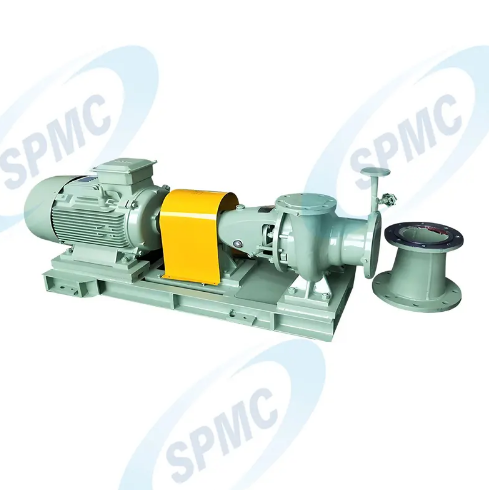
A noisy condensate pump is a system crying for help. Each sound is a clue that can lead you directly to the root of the problem. Learning to interpret these noises can save you from a complete system shutdown and costly water damage.
One of the most common complaints is a loud vibration or rattling noise during operation. This is frequently a sign of improper installation. If the pump is not perfectly level, its internal motor can create excessive vibrations that resonate through the unit's housing and surrounding surfaces. A quick check with a "bullseye level" placed on top of the pump can confirm this. Another cause can be loose mounting screws or contact with other hard surfaces, like pipes or walls, which amplify the operational noise.
If you hear gurgling or bubbling sounds from the discharge line, it often points to one of two issues. First, air may be trapped in the line, creating pockets that cause the gurgling sound as water tries to push through. Second, and more critically, it could signal a failing check valve. The check valve is a one-way gate designed to prevent water from flowing back into the pump's reservoir after a cycle. If this valve is stuck open or clogged with debris, water will flow backward, creating noise and forcing the pump to work harder than necessary.
A harsh grinding or screeching noise is an urgent warning of a mechanical problem. This sound is typically caused by debris inside the pump housing interfering with the impeller—the small fan that pushes water out. This debris can be biological "slime," a buildup of algae and bacteria, or mineral scale from hard water. Over time, these deposits can harden and break off, getting caught in the impeller's path. In older units, a screeching sound can also indicate that the motor bearings are worn out and failing, a clear sign that the pump is nearing the end of its service life.
While not a noise itself, a pump that runs continuously will produce a constant humming sound that is equally problematic. This issue is almost always tied to the float switch mechanism. The float rises with the water level, triggering a microswitch to turn the pump on. When the water level drops, the float should fall and turn the pump off. If the float is stuck in the "up" position due to slime or debris, or if the microswitch itself fails, the pump will never receive the signal to shut down. This constant operation will quickly lead to motor burnout.
Before you call a technician, many common condensate pump issues can be resolved with a few simple diagnostic steps. Always prioritize safety by disconnecting the pump from its power source before you begin any inspection or cleaning.
Start with the basics. Ensure the pump is plugged into a functioning outlet. If it's connected to a GFCI outlet, check if the reset button has tripped. Next, inspect the high-water cutoff switch wiring. This safety feature is designed to shut down your HVAC system if the water in the pump's reservoir gets too high, preventing an overflow. If this switch is faulty or the wiring is loose, it can prevent your entire system from running.
The float and microswitch assembly is the pump's brain. Carefully remove the reservoir cover to inspect the float. Check it for tiny "pinhole leaks" which can cause it to fill with water and sink, permanently activating the pump. If the float seems stuck, it may be due to slime buildup. If the float moves freely but the pump doesn't activate, the microswitch might be the problem. Mineral deposits can cause it to stick. Sometimes, a gentle tap on the switch housing can free it up. If this works, it’s a temporary fix; the switch will likely need cleaning or replacement soon.
Blockages are a primary cause of pump failure. You can use a wet/dry Shop Vac to clear the vinyl discharge tubing. Place the vacuum hose over the end of the tube to suck out any clogs. You should also check the intake lines flowing into the pump. The reservoir itself is a common source of trouble. Over time, a thick "slime" of algae and bacteria can build up. To clean it, empty the reservoir and scrub it with a solution of either vinegar and water or a diluted hydrogen peroxide mixture. This will kill the organic growth and dissolve mineral deposits.
The check valve is a small but critical component located where the discharge tube connects to the pump. Most check valves can be removed by unscrewing or twisting them off. Once removed, inspect it for debris that might be holding it open or blocking it completely. Clean it thoroughly under running water and ensure the internal flap or ball moves freely. A malfunctioning check valve will cause the pump to cycle on and off frequently because water keeps flowing back into the tank.
With the power still disconnected, a final mechanical check involves the motor itself. On many models, you can see the motor's fan blades through a vent. Try to turn the fan blades manually with a small screwdriver or pen. If they spin freely, the motor is likely not seized. If you feel significant resistance or the blades won't move at all, the motor bearings have likely failed. In this scenario, the pump motor is burned out and the entire unit will need to be replaced.
In commercial and industrial settings, the demands placed on moisture management systems are far greater than in residential applications. Standard condensate pumps are often insufficient for the high volumes, extreme temperatures, and continuous operation required in these environments.
Large-scale industrial HVAC systems, boilers, and steam-based manufacturing processes produce a massive amount of condensate. A standard residential unit would be quickly overwhelmed, leading to constant cycling, premature failure, and potential flooding. When the capacity of a typical water pump is exceeded, you need a specialized industrial condensate pump. These units are engineered with larger reservoirs, more powerful motors, and higher flow rates (measured in gallons per hour or GPH) to handle the increased load efficiently and reliably.
Space is often a premium in industrial facilities. The NLO vertical can type condensate pump is an innovative solution designed for these constraints. Its vertical configuration minimizes its footprint, making it ideal for tight mechanical rooms.
The "can" or barrel design serves a critical engineering purpose related to NPSH (Net Positive Suction Head). Condensate from steam systems is often very hot, close to its boiling point. This makes it difficult to pump without causing cavitation—the formation of vapor bubbles that collapse and damage the impeller. The can design allows the pump’s first-stage impeller to be submerged deep below the inlet, providing sufficient pressure to prevent this cavitation and ensure smooth operation even with hot condensate.
Industrial environments often expose equipment to corrosive chemicals and extreme temperatures. For instance, condensate from high-efficiency gas furnaces can be acidic. Choosing a pump made from the right materials is crucial for longevity. While reinforced plastics are suitable for many standard applications, industrial scenarios may demand more robust options.
| Material | Best For | Limitations |
|---|---|---|
| Reinforced Plastics (ABS, Polypropylene) | Standard residential and light commercial use; good general resistance. | Can become brittle over time with exposure to high heat or certain chemicals. |
| Cast Iron | High-temperature applications like steam condensate; very durable. | Susceptible to rust and corrosion if not properly maintained or coated. |
| Stainless Steel | Excellent resistance to acidic condensate and a wide range of chemicals. | Higher initial cost compared to other materials. |
When your condensate pump fails, you face a critical decision: should you attempt a repair or invest in a new unit? Making the right choice involves looking beyond the immediate fix and considering long-term reliability and cost-effectiveness.
A widely accepted guideline in equipment maintenance is the 50% rule. It states that if the estimated cost of a repair (including both parts and professional labor) exceeds 50% of the cost of a new, comparable unit, replacement is almost always the better financial decision. A costly repair on an older pump is often just a temporary patch, and another component could fail soon after, leading to more expenses and downtime.
TCO provides a more holistic view than just the initial purchase price. You should factor in the potential costs of failure. An aging, unreliable pump poses a significant risk of water damage to floors, drywall, and furniture—a cost that can easily run into thousands of dollars. A proactive upgrade to a new, more efficient pump mitigates this risk. The price of a new pump is often a small investment compared to the potential cost of a catastrophic failure.
Your needs may have changed since the original pump was installed. Have you upgraded your HVAC system? Is the pump located in a basement, requiring it to push water to a greater height? You need to assess if the current pump’s vertical lift (also known as "head") is sufficient. For example, a manufacturer like Beckett rates their pumps for specific lift limits (e.g., a BK17 model has a 17-foot lift). If your current setup is pushing the pump to its maximum capacity, it will wear out faster. Upgrading to a model with a higher head rating can improve performance and extend its lifespan.
| Factor | Lean Towards Repair | Lean Towards Replacement |
|---|---|---|
| Age of Unit | Under 5 years old | Over 7 years old |
| Problem | Clogged line, stuck float, dirty check valve | Seized motor, cracked housing, electrical fault |
| Repair Cost | Less than 30% of new unit cost | More than 50% of new unit cost |
| History | First-time failure | Multiple previous repairs |
While many issues are simple DIY fixes, some problems require professional expertise. If you suspect an electrical fault, such as frayed wiring or a malfunctioning capacitor, it's a significant safety risk to handle it yourself. Similarly, any issue requiring the motor to be disassembled is best left to an experienced HVAC technician. They have the diagnostic tools and knowledge to safely and accurately identify the root cause, ensuring the repair is done correctly.
Choosing the right equipment from a reputable source is just as important as proper maintenance. A well-chosen pump will provide years of reliable service, while a poor choice can lead to recurring problems. When evaluating options, look for a proven condensate pump manufacturer that prioritizes quality, safety, and support.
Look for manufacturers with a long and proven track record in fluid management. A company with deep experience in producing both residential HVAC pumps and heavy-duty industrial condensate pumps demonstrates a comprehensive understanding of engineering principles. Their products are more likely to be designed with durability and efficiency in mind, built from high-quality materials that stand up to real-world conditions.
Safety should be a non-negotiable priority. Ensure any pump you consider meets recognized safety and performance standards. In North America, this means looking for certifications from Underwriters Laboratories (UL) or the CSA Group. These marks indicate that the product has undergone rigorous testing. Furthermore, a quality pump should include an integrated safety overflow switch as a standard feature, not an optional add-on. This switch is your last line of defense against water damage.
Even the best pumps have components that can wear out over time, like the check valve or the motor assembly. A top-tier manufacturer makes these common wear-and-tear parts readily available for replacement. This commitment to serviceability allows you to extend the life of your equipment instead of being forced into a full replacement for a minor part failure. Check if the brand offers clear documentation, troubleshooting guides, and responsive customer support.
Different applications have unique challenges. A manufacturer that specializes in specific areas can offer superior products for those needs. For example, if you have a high-efficiency gas furnace, the condensate it produces is acidic and can degrade standard pump materials over time. A specialized manufacturer will offer pumps specifically designed with acid-resistant materials. They will also provide clear specifications on performance metrics like vertical lift height and flow rate, ensuring you select a pump that is perfectly matched to your system's demands.
A noisy condensate pump is an early warning system that should not be ignored. By following a logical "inspect, clean, and test" approach, you can diagnose and resolve many common issues yourself. Simple problems like a stuck float switch or a clogged check valve are often the culprits behind what seems like a catastrophic failure. The most effective strategy, however, is prevention. Regular preventive maintenance, such as annual reservoir cleaning and the use of algae tablets, can stop most problems before they start. Ultimately, balancing savvy DIY fixes with timely, professional-grade equipment upgrades will ensure your moisture management system remains quiet, efficient, and reliable for years to come.
A: A loud hum without any water movement usually points to a seized impeller or an airlock. The motor is trying to run, creating the hum, but something is preventing it from turning the impeller. This could be debris caught in the impeller housing or a failed motor bearing. An airlock in the discharge line can also create back pressure that stops the pump from moving water. Start by checking for obstructions.
A: For an industrial condensate pump, a cleaning and inspection cycle of every 6 to 12 months is recommended. In environments with high levels of dust, steam, or other contaminants, a more frequent 3 to 6-month schedule may be necessary to prevent buildup in the reservoir and ensure the float mechanism operates correctly.
A: While a heavily diluted bleach solution can effectively kill algae and bacteria, it can be harsh on certain rubber seals and plastic components over time. A safer and equally effective alternative is a 50/50 solution of white vinegar and water or a diluted hydrogen peroxide solution. These are less corrosive but still do an excellent job of cleaning slime and mineral deposits.
A: The lifespan varies by type and usage. A typical residential condensate pump, with regular maintenance, can last between 5 to 10 years. An industrial-grade unit designed for continuous operation and harsher conditions can have a much longer service life, often exceeding 10-15 years, especially if key components are properly maintained and replaced as needed.
A: Not at all. Many noises are caused by simple, fixable issues. Rattling is often due to improper leveling, and gurgling can be a clogged check valve. Even a grinding noise might just be debris hitting the impeller. These problems can be resolved with basic cleaning and maintenance. A noise that signals a mechanical failure, like screeching from bad motor bearings, is a clearer indicator that replacement is necessary.


