


Views: 0 Author: Site Editor Publish Time: 2026-04-14 Origin: Site


The main difference between a boiler feed pump and a condensate pump is what they do. A boiler feed pump pushes water into the boiler using high pressure. This job keeps the system safe and working well. Knowing these differences helps you make things more reliable and save money. New products, like SPMC's Boiler Feed Pump, give smart answers for today's systems.
Boiler feed pumps work at high pressure to push water into the boiler. This helps make steam safely and efficiently.
Condensate pumps work at lower pressure. They return cooled water back to the system. This saves energy and resources.
Knowing what each pump does is very important. It helps keep the steam cycle working well and prevents problems.
Checking and fixing both pumps regularly can make them last longer. It also makes the whole system work better.
Picking the right pump for your system’s pressure and flow needs is very important. It helps the system run well and saves money.
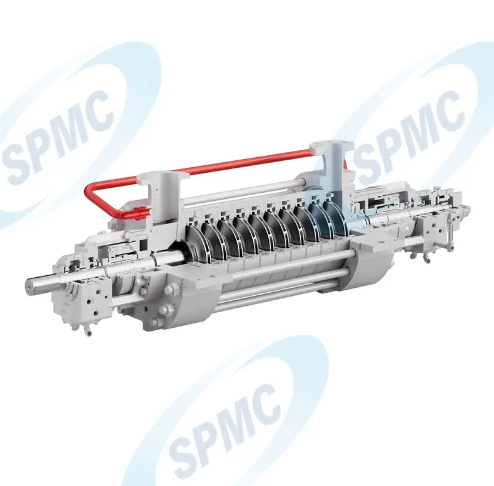
A boiler feed pump moves water into a boiler. It works with high pressure to keep the boiler safe. These pumps are used in power plants and big factories. The pump deals with tough things like hot temperatures and strong pressure. Most new pumps are centrifugal pumps. They usually spin between 5,000 and 6,000 rpm. They use chrome steel to stop rust. Look at the table below for common details:
Specification/Parameter | Details |
|---|---|
Construction Type | Centrifugal pumps are mostly used. |
Discharge Pressure | Modern systems reach up to 400 bar. |
Mass Flow Rate | Conventional power plants can reach 2,500 t/h. |
Operating Temperature | Usually between 160°C and 180°C. |
Material | Chrome steel (A743 Gr. CA6NM) helps fight corrosion. |
Speed | Runs at 5,000 to 6,000 rpm. |
Stages | Large power trains use four to five stages. |
Stage Pressure | Multi-stage designs can reach up to 80 bar. |
Drive Type | Uses electric motors or steam turbines. |
NPSH Requirements | Booster pumps help with net positive suction head. |
Construction Types | Multistage barrel type (BB5) and ring section multistage pumps (BB4). |
The boiler feed pump moves water from the deaerator tank to the boiler. It uses high pressure. This pump is important for keeping the steam cycle working well.
A steam condensate pump sends cooled water, called condensate, back to the system. It works at lower pressure than the boiler feed pump. You find it after steam cools down. The pump moves the condensate to the deaerator or storage tank. This helps the system reuse water and save energy. Its main job is to collect and move cooled water to keep the cycle going.
Tip: Remember the difference by thinking about pressure. Boiler feed pumps work with high pressure. Steam condensate pumps work with lower pressure.
Pump Type | Function | Pressure Level |
|---|---|---|
Boiler Feed Pump | Moves water from the deaerator tank to the boiler at high pressure. | High Pressure |
Condensate Pump | Sends cooled condensate back to the deaerator at lower pressure. | Lower Pressure |
Both pumps are important for the steam cycle. Each pump has its own job to keep the system running well.
Boiler feed pumps must handle high pressure. The SPMC DG series uses a multistage centrifugal design. This means the pump has many parts that build pressure step by step. Water flows into the boiler in a steady and strong way. This keeps the system safe and working well.
Here is a table that shows how boiler feed pumps and condensate pumps are different:
Feature | Boiler Feed Pumps | Condensate Pumps |
|---|---|---|
Pressure Requirement | Higher than the boiler’s steam header | Low pressure for returning condensate |
Design | Multistage, balance drums, strong seals | Single-stage, simple seals |
Focus | Handles hotter water and greater head | Focus on flow volume, not pressure |
Multistage pumps can reach much higher pressure than single-stage pumps. This makes them good for hard jobs in power plants and factories. These pumps work well even when things get tough.
SPMC uses special materials to make their pumps last longer and work better. Duplex stainless steel is twice as strong as regular stainless steel. It also stops rust and damage from harsh chemicals. Nano-coatings help the pump move heat and keep dirt from building up inside.
Feature | Benefit |
|---|---|
Corrosion Resistance | Stops rust and damage in tough environments |
Strength | Twice as strong as regular stainless steel |
Service Life | Lasts longer, so you replace it less often |
Heat Transfer | Nano-coatings help move heat and prevent dirt buildup |
Applications | Works well with seawater, oil, gas, and chemicals |
SPMC pumps also have smart features. IoT sensors check the pump all the time. They watch things like vibration and temperature. If something is wrong, you get an alert right away. This helps you fix problems before the system stops working. Predictive maintenance can save money and keep your system running longer.
Tip: Picking a pump with these features means you spend less time fixing things and more time making your system work well.
There are two main systems in a steam cycle. One is the boiler feed system. The other is the condensate system. Each system has its own parts. The boiler feed system pushes water into the boiler. It uses high pressure. The condensate system collects cooled steam. It sends this water back to be used again.
Boiler Feed System Components:
High-pressure boiler feed pumps move water into the boiler.
Deaerators take out gases from the water.
Water tanks and controls hold and manage water before it goes in.
Condensate System Components:
Steam traps collect condensed steam from pipes.
Condensate return piping brings water back to the boiler room.
Flash tanks deal with steam in high-pressure systems.
Condensate receiver tanks keep returned water.
Condensate pumps send water back to the feed system.
The boiler feed system gives water to the boiler. The condensate system brings condensed steam back to the boiler room. Both systems work together. They help the steam cycle run well.
Note: You can tell the difference by where each pump is. Boiler feed pumps are close to the boiler. Condensate pumps are near steam traps and receiver tanks.
Water management and control are not the same in each system. You need to know how each system handles water. This keeps your boiler safe and working well.
Feature | Boiler Feed Systems | Condensate Systems |
|---|---|---|
Tank Size | Larger tank for higher water volume | Smaller tank, functions like a sump pump |
Water Control Mechanism | Operated by a pump controller based on boiler needs | Operated by a float switch, pumps regardless of need |
Makeup Water Management | Oxygen released in tank, reducing corrosion risk | Makeup water added directly, can lead to overfilling |
Solids Management | Solids drop out in tank, preventing boiler issues | Solids can accumulate in boiler, affecting performance |
Operational Efficiency | Extends boiler life by managing water quality | Risk of low water conditions and overfilling |
Boiler feed systems use bigger tanks and smart controls. These features help you manage water quality. They protect your boiler. Condensate systems use smaller tanks and simple switches. This can cause problems like overfilling or low water. Good water management keeps your system working longer. It also saves money.
Tip: Always check your water controls. Good management stops damage and keeps your steam system working well.
The steam condensate pump works differently. It collects cooled water from the condenser. The pump boosts the pressure of this water and sends it to the deaerator through the heater. You reuse this water in the boiler, which saves energy and reduces waste.
Boiler feed pump: Moves feed water to the boiler drum, keeps water levels steady, replaces steam, and supports heat absorption.
Steam condensate pump: Collects cooled water, boosts pressure, sends water to the deaerator, and helps reuse water.
Tip: If you want your system to run smoothly, you must use both pumps for their specific jobs.
You see a big difference in pressure and flow between these pumps. The boiler feed pump must supply water at high pressure. This pressure needs to be higher than the steam pressure inside the boiler. You need this strength to push water into the boiler drum and keep the system safe. High pressure also helps maintain system performance and prevents damage.
Condensate pumps work at lower pressure. Their job is to return cooled water to the deaerator. You do not need high pressure for this task. The pump only needs enough force to move the water back to the boiler feed system. This lower pressure saves energy and keeps the system efficient.
Pump Type | Pressure Level | Flow Requirement | Main Task |
|---|---|---|---|
Boiler Feed Pump | High | Steady, controlled flow | Pushes water into boiler drum |
Condensate Pump | Low | Variable flow | Returns cooled water to system |
You must choose the right pump based on your system’s needs. High-pressure pumps protect the boiler and keep steam production steady. Low-pressure pumps help you reuse water and save energy.
You find each pump in a different spot in the steam cycle. The boiler feed pump sits close to the boiler. It connects the deaerator or feed water tank to the boiler drum. You use this pump to deliver water right where the boiler needs it.
The condensate pump sits near the condenser and receiver tanks. It collects cooled steam and sends it back to the deaerator. You use this pump to move water from the cooling part of the cycle back to the heating part.
Note: Placement matters for system performance. If you put the pumps in the right place, you keep the cycle running smoothly and avoid problems.
You can see that each pump has a special job, works at a certain pressure, and sits in a unique spot in the steam cycle. When you know these key differences, you can improve your boiler system and boost performance.
Boiler feed pumps and condensate pumps are used in many industries. These pumps help steam systems work well every day. You see them where steam is needed for important jobs. Here are some ways they are used:
Power Generation: Boiler feed pumps keep steam moving in power plants. This helps make electricity without stopping.
Chemical Processing: These pumps move hot and harsh water. They protect machines and keep the process safe.
Manufacturing: Machines and lines need a steady flow of feedwater. Pumps help keep things working right and fast.
Both pumps work together in these places. They help control water and steam. Picking the right pump makes things safer and saves money.
Tip: If you work in these fields, check your pump often. This helps stop problems and keeps your system working well.
The size of your system and how much steam you need matter a lot. You must pick a pump that fits your system. Big systems need pumps for high pressure and lots of water. Small systems use pumps with lower pressure and simple parts.
Here is a table that shows how system size and steam needs change pump choice:
Pump Type | Pressure Requirement | Design Features |
|---|---|---|
Boiler Feed Pump | Must raise water to a pressure higher than the boiler’s steam header | Multistage designs, balance drums, mechanical seals rated for high pressure |
Condensate Pump | Operates at low pressure, returning cooled condensate to the deaerator | Typically single-stage, simple packing or lip seals, focuses on flow volume |
You need a boiler feed pump if your system needs high pressure. You use a condensate pump for lower pressure and more flow. If you need more steam, you may need a bigger pump. Picking the right pump helps stop trouble and keeps things running.
Note: Always check your system’s size and steam needs before picking a pump. This helps you get the best results and keeps things working well.
You need to think about how much energy each pump uses. Boiler feed pumps work at high pressure, so they use more energy than condensate pumps. These pumps must push water into the boiler against strong steam pressure. This job takes a lot of power. If you use a pump like the SPMC Boiler Feed Pump, you get better energy efficiency. SPMC uses advanced materials and smart technology to lower energy use. For example, duplex stainless steel and nano-coatings help the pump run smoothly. IoT sensors also help you spot problems early, so the pump does not waste energy.
Condensate pumps use less energy. They only need to move cooled water back to the system. The pressure is much lower, so the motor does not work as hard. You save energy with these pumps, but you still need to check them often. If a condensate pump runs too long or has leaks, it can waste energy.
Here is a quick comparison:
Pump Type | Typical Energy Use | Main Reason for Energy Use |
|---|---|---|
Boiler Feed Pump | High | High pressure, continuous running |
Condensate Pump | Low | Low pressure, intermittent running |
Tip: Choose pumps with high efficiency ratings. This helps you save money on electricity and keeps your system green.
The right pump helps your whole system work better. A strong boiler feed pump keeps water flowing into the boiler. This means you get steady steam and no sudden stops. If your pump is weak or slow, your boiler might run dry. This can damage the boiler and stop production.
Condensate pumps help you recycle water. When you return more condensate, you use less fresh water and less energy to heat it. This boosts your system’s output and saves resources. If your condensate pump fails, you lose water and waste heat. Your system becomes less efficient.
You should always match your pump to your system’s needs. A good pump choice means more steam, less downtime, and lower costs.
Note: Regular checks and smart controls help you get the best performance from your pumps.
When you pick a pump for your steam system, you should think about how much it costs at first. Boiler feed pumps cost more than condensate pumps. They use special materials and have more parts inside. For example, SPMC’s Boiler Feed Pump uses duplex stainless steel and nano-coatings. These things make the pump strong and help it work well, but they also make it more expensive. Condensate pumps are simpler and use fewer materials, so they cost less when you buy them.
Pump Type | Typical Initial Cost | Main Reason for Cost |
|---|---|---|
Boiler Feed Pump | Higher | Advanced materials, multistage design |
Condensate Pump | Lower | Simple construction, fewer parts |
Tip: Spending more on a good boiler feed pump can help you save money later because it lasts longer and works better.
You also need to think about how much it costs to use each pump. Boiler feed pumps use more energy because they work with high pressure. Your electricity bill will be higher if you use these pumps a lot. SPMC’s pumps can help you save energy because they have smart sensors and good motors. Condensate pumps use less energy because they only move cooled water at low pressure. This means you pay less for power with these pumps.
Boiler feed pumps: Use more energy, but new models work better and save power.
Condensate pumps: Use less energy, but you might have to replace them more often.
Taking care of your pumps is important. You want your system to work well and not break down. Boiler feed pumps last a long time. Many can work for 15 to 25 years if you check them and fix them when needed. You should look at them often and follow a schedule for care. Condensate pumps do not last as long. Most work for about 3 to 5 years. Some people change them every few years.
Boiler feed pumps: Can last 15–25 years if you take care of them.
Condensate pumps: Last about 3–5 years and may need to be replaced more often.
Note: Checking your pumps and fixing them when needed helps you avoid big repairs and keeps your steam system safe.
You must pick a pump that fits your boiler system. First, check how much pressure your system needs. The pump has to push water into the boiler against steam pressure. Look at Net Positive Suction Head (NPSH) so you do not get pump cavitation. Cavitation can break the pump and stop your system. Pick the right pump setup. Choose between horizontal or vertical pumps based on space and pressure. Think about how you will control the pump. Some systems need a modulating pump for steady steam. Others work fine with an on/off pump.
Here is a simple list to help you:
Check what pressure your boiler needs.
Make sure NPSH is enough to stop cavitation.
Pick horizontal or vertical pump for your space.
Decide if you want modulating or on/off control for steam.
SPMC gives advice and custom engineering. You can get help for high-pressure jobs and special steam systems.
People often make mistakes when choosing pumps. You might pick a pump that cannot handle boiler pressure. This can make your system fail. Some forget to check NPSH, which causes cavitation and pump damage. Picking the wrong setup wastes space and energy. Not matching the control system to steam demand can cause trouble.
Avoid these mistakes:
Make sure the pump handles boiler pressure.
Check NPSH to prevent cavitation.
Pick the right setup for your space.
Match control system to steam demand.
Tip: Always check your system needs before you buy a pump.
You can make your system better by following some tips. Use condensate return pumps to recycle water and save energy. Watch your boiler feed pump with IoT sensors for early warnings. Change pump settings to match steam demand. Do regular maintenance to keep pumps working longer.
Optimization Tip | Benefit |
|---|---|
Use condensate return pumps | Save water and energy |
Monitor with IoT sensors | Catch problems early |
Adjust for steam demand | Improve efficiency |
Regular maintenance | Extend pump life |
SPMC can help you make your boiler system better. Their experts give custom solutions for steam demand and high-pressure needs.
You now understand the main differences between a boiler feed system and a condensate unit. The boiler feed tank sends water to the boiler using high pressure. The condensate receiver takes cooled water from the steam cycle. Both the boiler feed tank and condensate unit work together to keep the steam boiler system running well. If you pick the right pump, you get:
Exact flow and pressure in the boiler feed system.
Fewer stops in the boiler feed tank and condensate receiver.
Less damage to control valves in the boiler feed system and condensate unit.
You can improve condensate recovery and save money. SPMC’s Boiler Feed Pump gives smart solutions for your boiler feed system and condensate recovery. If you need more help, ask SPMC about your boiler feed tank, condensate receiver, or condensate unit.
You use a boiler feed pump to push water into the boiler at high pressure. This keeps the boiler full and safe. The pump helps your system make steam without stopping.
You need a condensate pump to collect cooled water after steam has done its job. The pump sends this water back to the system. This saves energy and water.
Check your system’s pressure and flow needs. Use a boiler feed pump for high pressure. Use a condensate pump for lower pressure. Ask experts like SPMC for help if you are unsure.
You should check your pumps every month. Look for leaks, noise, or vibration. Use smart sensors if your pump has them. Early checks help you avoid big problems.
No, you cannot use one pump for both jobs. Boiler feed pumps and condensate pumps work at different pressures. Each pump has a special role in your steam system.


