


Views: 0 Author: Site Editor Publish Time: 2026-03-17 Origin: Site


Selecting a condensate pump is more than a simple capacity match; it is a critical decision that impacts the longevity of HVAC and steam systems. A properly sized pump works efficiently in the background, but an improperly sized one can cause frequent short-cycling, premature motor failure, or even catastrophic overflow and water damage. Choosing the right unit requires a clear understanding of your system's demands. This guide provides a technical framework for evaluating flow requirements, lift constraints, and application-specific variables. By following these steps, you can ensure you select a pump that handles both peak loads and the tough realities of industrial or commercial environments, protecting your investment and ensuring operational reliability.
The 3x Redundancy Rule: Always size your pump for 200%–300% of the maximum expected condensate rate to handle surges and prevent constant cycling.
Total Dynamic Head (TDH): Selection must account for vertical lift (static head) plus friction loss from pipe runs and any destination backpressure.
Temperature & Chemistry: Standard pumps fail above 150°F; high-temperature applications or acidic condensate (from high-efficiency boilers) require specialized materials like cast iron or stainless steel.
Technology Matters: Choose centrifugal pumps for high-volume industrial needs and diaphragm or solenoid pumps for noise-sensitive VRF/mini-split environments.
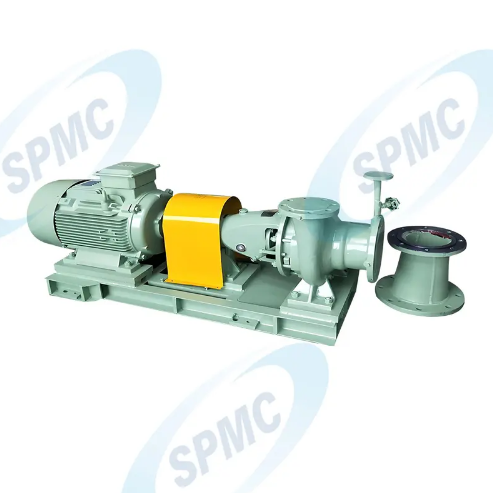
The first and most fundamental step in sizing any condensate pump is determining the volume of liquid it must move over a specific period. This calculation differs significantly between residential HVAC units and large-scale industrial steam systems. Getting this wrong is the primary cause of pump failure.
For most air conditioning, dehumidification, or furnace applications, the industry best practice is the "3x Rule." This principle states that your pump's capacity, measured in Gallons Per Hour (GPH), should be at least three times the amount of condensate your equipment produces. For example, if your air handler generates 20 GPH of condensate on the most humid day, you should select a pump rated for at least 60 GPH. This safety margin accounts for unexpected surges, prevents the pump from running constantly, and reduces wear on the motor from excessive start/stop cycles.
In industrial settings, condensate is often a byproduct of steam processes and is measured in Pounds Per Hour (PPH). The calculation here requires a conversion and an additional safety factor. A reliable formula to start with is:
1,000 lbs/hr of condensate ≈ 2 Gallons Per Minute (GPM)
However, this is just the baseline. For equipment like heat exchangers, you must account for the high initial load during startup. A common engineering practice is to first apply a 1.5x factor to the calculated GPM to handle this startup load. Then, double that result (an additional 2x factor) to determine the final pump rating. This ensures the pump can manage peak demand without being overwhelmed.
Under-sizing a pump is a critical error. When the flow rate is inadequate, condensate can back up in the lines, leading to a phenomenon known as "slugging," where pockets of water are violently pushed through the system. This can cause water hammer, damage piping, and, in a worst-case scenario, flood and destroy the primary equipment the pump is supposed to protect. A correctly sized pump is an insurance policy against costly repairs and downtime.
A pump's "Max Lift" or "Max Head" rating printed on its packaging is one of the most misleading specifications. This number typically represents the maximum vertical height the pump can push water with zero flow. In any real-world application, you must calculate the Total Dynamic Head (TDH), which is the sum of all resistances the pump must overcome.
Static head is the simplest part of the equation. It is the raw vertical distance from the pump's outlet to the highest point in the discharge line where the condensate is released. If your pump sits on the floor and must push water up 15 feet into a ceiling drain, your static head is 15 feet.
Friction head represents the resistance created by the condensate moving through pipes and fittings. Several factors contribute to this loss:
Pipe Length: The longer the run, the greater the friction. A common rule of thumb is to add approximately 6 inches of head loss for every 10 feet of horizontal pipe run. For more precise calculations, consult a friction loss chart specific to your pipe material and diameter.
Pipe Diameter: This is a major factor. The narrow vinyl tubing often used for residential pumps creates significantly more friction per foot than larger, rigid PVC or copper pipes used in commercial applications. Using a pipe that is too small can dramatically reduce the pump's effective performance.
Fittings: Every elbow, valve, and check valve in the line adds resistance. Each 90-degree elbow can be equivalent to several feet of straight pipe in terms of friction loss.
This factor is crucial for an industrial condensate pump. If you are discharging into a pressurized line, such as a deaerator tank or a common steam return header, the pump must overcome that existing pressure. This backpressure must be converted from PSI (Pounds per Square Inch) into feet of head and added to your TDH calculation. The conversion is: 1 PSI ≈ 2.31 feet of head. Ignoring this can cause the pump to stall, unable to push against the system pressure.
A standard water pump is rarely suitable for condensate applications. The unique characteristics of the fluid and the installation environment demand specialized equipment. Ignoring these constraints leads to rapid failure and potential safety hazards.
Standard, low-cost condensate pumps are typically made of plastic and rated for fluid temperatures between 86°F and 150°F (30°C to 65°C). This is adequate for most HVAC applications. However, condensate from steam traps or boiler blowdown can be much hotter. For these high-temperature applications, you must specify models rated for 190°F to 212°F (88°C to 100°C). These pumps feature cast iron or steel receivers and components designed to withstand near-boiling water without warping or failing.
In environments like offices, recording studios, or residential bedrooms where VRF or mini-split systems are common, pump noise is a critical consideration. Solenoid-piston pumps, while compact, can be noisy. For quiet operation, look for pumps with a rating of 20 decibels (dB) or lower. Diaphragm pumps are generally a much quieter alternative and are preferred for noise-sensitive installations.
Industrial environments are often harsh. Condensate can be contaminated with oil, grit, scale, or other debris. A standard centrifugal pump with tight tolerances will quickly clog and burn out in these conditions. For these applications, you need a "dirty pump" configuration. These pumps may feature vortex impellers that can pass small solids or have integrated filtration and large-clearance designs to handle contaminated fluids without failing.
A modern high-efficiency gas furnace produces condensate that is acidic, often with a pH between 3.0 and 5.0. This acidic fluid will rapidly corrode standard steel tanks and certain plastic reservoirs, leading to leaks and pump failure. When dealing with furnace condensate, ensure the pump's reservoir (or receiver) is made of a corrosion-resistant material like high-density, UV-resistant plastic, stainless steel, or cast iron to prevent "tank rot" and ensure a long service life.
The mechanical design of a pump dictates its performance, reliability, and ideal application. Choosing the correct technology is just as important as calculating flow and head. The right choice depends on the scale of your system and its specific operational requirements.
Centrifugal pumps are the workhorses of the industry, ideal for high-volume applications (100+ GPM) and general-purpose HVAC condensate removal. They are known for their high reliability and simple design. However, their flow rate is highly sensitive to changes in head pressure; as the total dynamic head increases, their output volume decreases significantly. They are best used where the operating conditions are stable and well-defined.
The NLO vertical can type condensate pump is a specialized design for demanding industrial applications. Its key advantage is its ability to handle fluids with very low Net Positive Suction Head (NPSH) available. This is essential when pumping hot condensate that is near its boiling point. The vertical "can" or barrel design provides an artificial suction head for the first-stage impeller, preventing cavitation—the formation and collapse of vapor bubbles that can destroy a pump's internals. It is the go-to solution for power plants and large steam systems.
These two technologies are common in compact, low-volume applications like ductless mini-splits.
Solenoid Pumps: Use a piston driven by an electromagnet. They are very compact and can generate high lift but tend to be noisy and cannot run dry without damage.
Diaphragm Pumps: Use a flexible membrane to move fluid. They are significantly quieter, can often run dry for short periods without harm, and are becoming the preferred choice for residential and office installations.
Peristaltic pumps are a niche solution for special cases. They work by squeezing a flexible tube, which creates a powerful suction. This makes them excellent for high-lift, low-volume scenarios, such as when a mini-split's indoor unit is located far from a drain. They are also self-priming and can run dry indefinitely. Their main drawback is that the tubing is a wear item and requires periodic replacement.
| Pump Type | Typical Application | Key Advantage | Key Disadvantage |
|---|---|---|---|
| Centrifugal | Large HVAC, Boilers | High flow rate, reliable | Sensitive to head pressure |
| NLO Vertical Can | Industrial Steam, Power Plants | Prevents cavitation (Low NPSH) | Higher cost, larger footprint |
| Diaphragm | Mini-Splits, VRF Systems | Very quiet operation | Lower flow rates |
| Solenoid | Compact Mini-Splits | Small size, high lift | Noisy, cannot run dry |
| Peristaltic | High-lift, remote installations | Can run dry, self-priming | Requires tube replacement |
The tank, or receiver, that collects the condensate is as vital to the system's health as the pump motor itself. Proper sizing and material selection for the receiver can dramatically affect the pump's lifespan and overall system reliability.
For industrial systems, a crucial guideline is the "1-minute rule." This states that the net storage capacity of the receiver tank (the volume between the 'pump on' and 'pump off' float switch levels) should be large enough to hold at least one minute of the system's full-load condensate flow. This design prevents the motor from starting and stopping too frequently, a condition known as short-cycling, which is a leading cause of premature motor burnout.
The total cost of ownership (TCO) is heavily influenced by receiver material. While steel tanks are cheaper upfront, they are highly susceptible to corrosion from the naturally acidic and oxygenated condensate found in steam systems. Cast iron receivers offer vastly superior corrosion resistance, often extending the service life of the entire pump unit by decades. The higher initial investment in cast iron pays for itself by avoiding costly replacements and system downtime.
Never rely on a single switch. A best-practice installation always specifies a dual-switch system. The primary switch controls the pump's activation cycle. A secondary, high-level overflow safety switch should be wired to shut down the HVAC unit or boiler, or to trigger an alarm, in the event of a pump failure. This simple redundancy prevents catastrophic water damage if the primary pump or switch fails.
A check valve installed on the pump's discharge line is essential. This one-way valve prevents water from flowing back into the receiver after the pump shuts off. Without a check valve, this "back-flow" would refill the tank and cause the pump to cycle on and off repeatedly, trying to pump the same volume of water over and over. This leads to rapid motor failure and wasted energy.
With the technical principles understood, you can follow a clear, logical process to select the perfect condensate pump for your needs. This step-by-step approach ensures no critical factors are overlooked.
Confirm the Power Source: First, verify the available voltage at the installation site. Is it standard residential 115V, commercial 230V, or industrial 460V? Matching the pump's voltage is a non-negotiable first step.
Calculate TDH: Determine the Total Dynamic Head. Accurately measure the vertical static lift, estimate the friction loss from the total pipe length and fittings, and add any destination backpressure (in industrial systems). Do not rely on the "max lift" number alone.
Apply the 3x Flow Factor: Calculate the maximum expected condensate flow rate from your equipment (in GPH or GPM). Multiply this number by three to get your target pump capacity. This builds in a crucial safety margin.
Match the Fluid Profile: Consider the condensate's characteristics. Is it high-temperature steam condensate requiring a cast iron pump? Is it acidic furnace condensate requiring a corrosion-resistant tank? Is it potentially dirty, requiring a pump designed to handle solids?
Select the Form Factor: Finally, choose the pump's physical shape and size. Do you need a low-profile model that fits inside an air handler? A standard vertical pump for a mechanical room floor? Or a specialized NLO vertical can type pump for an industrial process?
Choosing the right condensate pump size is a balance of hydraulic math and careful environmental assessment. Moving beyond simple GPH ratings to a holistic evaluation prevents the most common failures. By rigorously applying the 3x redundancy rule for flow and calculating the true Total Dynamic Head, you eliminate short-cycling and overflow risks. For industrial users, prioritizing material quality like cast iron and understanding advanced concepts like NPSH is key. This diligence ensures a lower total cost of ownership, protects your valuable HVAC and steam infrastructure, and provides reliable, long-term performance.
A: Over-sizing can be as harmful as under-sizing. A significantly oversized pump will fill and empty the reservoir too quickly, causing the motor to turn on and off rapidly. This condition, known as "short-cycling," leads to excessive wear on the motor, start capacitor, and electrical switches, causing premature burnout.
A: While vertical lift is the main component, horizontal runs add friction head. A general rule of thumb is to add about 1 foot of head for every 20 feet of horizontal pipe. For greater accuracy, always consult a friction loss chart specific to your pipe material and diameter, as narrower tubing creates much more resistance.
A: No, this is a common and costly mistake. The condensate produced by high-efficiency gas boilers and furnaces is acidic (low pH) and will corrode the components of a standard pump. You must use a pump specifically rated for "condensate" with an acid-resistant tank, or install a condensate neutralizer kit before the pump inlet.
A: The lifespan varies greatly with proper sizing and material choice. A well-maintained industrial pump with a robust cast iron receiver, correctly sized for its application, can easily last 15 to 20 years or more. In contrast, under-sized residential plastic units often fail within 3 to 5 years due to constant cycling and material degradation.


