


Views: 0 Author: Site Editor Publish Time: 2026-04-07 Origin: Site


When a critical water pump fails, the consequences ripple far beyond the initial component cost. The true expense is measured in operational downtime, emergency repair fees, and potential property damage. In residential, industrial, and municipal settings, these pumps are not just pieces of equipment; they are essential infrastructure assets responsible for everything from providing clean water to enabling complex manufacturing processes. Simply running a pump until it breaks is a high-risk, high-cost strategy. Proactive maintenance and precise operational alignment are the primary drivers of equipment longevity and uptime. This guide explores the professional strategies that transform a pump from a consumable part into a reliable, long-term performer, maximizing your return on investment.
Operational Alignment: Running pumps at their Best Efficiency Point (BEP) prevents 80% of premature mechanical failures.
Proactive Monitoring: Shifting from reactive "run-to-fail" models to predictive maintenance using vibration and temperature data.
Systemic Health: Pump life is dictated by the environment—water quality, piping stress, and electrical stability are as vital as the pump itself.
Component Focus: Prioritizing seal integrity and bearing lubrication to prevent catastrophic motor burnout.
The sticker price of a water pump is only the first chapter of its financial story. A comprehensive understanding of its Total Cost of Ownership (TCO) reveals that the initial purchase is often a minor part of the total expenditure. Neglecting maintenance, improper operation, and poor system design can quickly escalate costs, turning a seemingly good deal into a long-term financial drain.
A low upfront water pump price can be misleading. Cheaper pumps often use less durable materials and less efficient motors, leading to a cycle of frequent repairs and higher energy bills. An inexpensive pump might save you money today, but it could cost you significantly more over its lifespan due to breakdowns and poor performance. True value lies in a pump's reliability, efficiency, and longevity. Investing in a higher-quality unit with robust construction and a more efficient motor typically yields lower TCO and greater peace of mind.
When assessing a pump for long-term durability, you should look beyond its basic specifications. The materials used in its construction are a primary indicator of its resilience. For example, cast iron housings offer superior strength and vibration damping compared to thermoplastic alternatives, making them ideal for demanding applications. Seal technology is another critical factor. Advanced mechanical seals provide better leakage protection and last longer than traditional packing, especially when handling abrasive fluids. Evaluate the pump based on how well its design and materials match the rigors of your specific environment.
| Material | Pros | Cons | Best For |
|---|---|---|---|
| Cast Iron | High durability, excellent vibration damping, heat resistant. | Heavy, susceptible to rust without proper coating. | Industrial, commercial, and heavy-duty residential applications. |
| Stainless Steel | Excellent corrosion resistance, hygienic. | Higher initial cost. | Food processing, pharmaceutical, and corrosive fluid handling. |
| Thermoplastic | Lightweight, low cost, resistant to corrosion. | Less durable, lower pressure ratings, can warp with heat. | Light residential use, pool pumps, dewatering. |
Different pumps face different challenges. A submersible well pump must contend with sediment, while an industrial pump might handle corrosive chemicals. A hot water circulation pump, for instance, operates under constant thermal stress. This heat can accelerate the degradation of seals and bearings. Furthermore, hot water is more likely to cause mineral scaling, where dissolved minerals like calcium and magnesium precipitate out of the water and build up on internal surfaces like the impeller. This scaling reduces efficiency and can eventually seize the pump. Maintenance for these units must prioritize scale prevention and regular inspection of heat-affected components.
For any business, unexpected downtime is a direct hit to the bottom line. In an industrial setting, a failed pump can halt a production line, costing thousands of dollars per hour. In a commercial building, it can mean no water for tenants, leading to complaints and potential loss of business. Even in a home, a failed well pump means no water for drinking, cleaning, or sanitation. Proactive water pump maintenance is not just a cost; it's an insurance policy against these catastrophic failures and the associated loss of productivity or property damage.
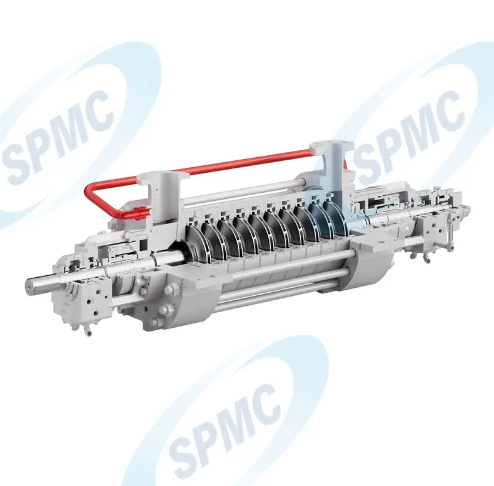
The single most effective way to extend a pump's life is to operate it as the manufacturer intended. Every centrifugal pump is designed to perform optimally at a specific combination of flow rate and pressure (head), known as its Best Efficiency Point (BEP). Deviating from this point introduces hydraulic instability, which is the root cause of many mechanical failures.
The BEP is the point on a pump's performance curve where it converts the most energy from the motor into fluid movement. When you operate a water pump far from its BEP, you create internal hydraulic forces that the pump was not designed to handle. Operating at too low a flow can cause recirculation within the casing, leading to intense heat buildup and pressure pulsations. Operating at too high a flow can lead to cavitation. Both scenarios generate excessive vibration and place radial and axial loads on the shaft, bearings, and seals, causing premature wear and failure.
Cavitation is the rapid formation and collapse of vapor bubbles within the fluid, which occurs when the local pressure drops below the fluid's vapor pressure. This collapse creates powerful micro-jets that erode the impeller and casing material, sounding like gravel is passing through the pump. To prevent this, you must ensure the Net Positive Suction Head Available (NPSHa) in your system is always greater than the Net Positive Suction Head Required (NPSHr) by the pump. NPSHa is a characteristic of your system's design (e.g., pipe length, elevation), while NPSHr is a pump characteristic. A proper system design is the first line of defense against destructive cavitation.
Excessive vibration is a primary symptom of a pump in distress. A common cause is "pipe strain," where the connected piping is not properly supported and exerts force on the pump's nozzles. This strain misaligns the pump and motor shafts, placing enormous stress on the bearings and leading to rapid failure. In industrial installations, using laser alignment tools to ensure the pump and motor shafts are perfectly collinear is standard practice. Regular vibration analysis can detect misalignment, imbalance, or bearing wear long before they become catastrophic issues.
Many systems have fluctuating demand, yet traditional pumps run at a single, constant speed. This forces them to operate away from their BEP for much of the time. A Variable Frequency Drive (VFD) solves this problem by modulating the motor's speed to precisely match the system's demand. This keeps the pump operating at or near its BEP, dramatically reducing energy consumption and mechanical stress. VFDs are particularly effective for systems using a hot water circulation pump, where demand changes throughout the day. By slowing down during low-use periods, a VFD significantly extends the life of bearings, seals, and the motor itself.
The heart of any pump is its rotating assembly. The seals, bearings, and shaft work together to contain the fluid and transmit power. Failure in any one of these components can quickly lead to a complete system breakdown. A targeted maintenance strategy focused on these critical parts is essential for long-term reliability.
The pump seal prevents fluid from leaking out along the rotating shaft. While traditional gland packing is still used, modern mechanical seals offer far superior performance and longevity. They create a near-perfect seal with minimal leakage, reducing product loss and housekeeping issues. For applications involving abrasive media like sand or sediment, advanced self-flushing seal systems can be a game-changer. These designs use the pump's own flow to keep particles away from the delicate seal faces, preventing premature wear and extending seal life dramatically.
Ignoring small leaks: A minor drip from a mechanical seal often indicates an impending failure and should be investigated immediately.
Improper installation: Seal faces are precision-lapped surfaces. Contamination with dirt or oil from fingerprints during installation can cause leaks.
Running the pump dry: Most seals require the pumped fluid for lubrication and cooling. Running dry for even a few seconds can destroy them.
Bearings support the shaft and allow it to rotate smoothly. Proper lubrication is vital to their survival. However, one of the most common maintenance errors is "over-greasing." Forcing too much grease into a bearing housing can blow out the bearing's own seals, allowing contaminants to enter. Excess grease also increases friction and heat, leading to premature bearing failure and potential overheating of the motor. It is crucial to follow the manufacturer's recommendations for the type of lubricant, the quantity, and the relubrication interval. Using automatic lubricators can help ensure bearings receive the right amount of grease at the right time.
A bent or worn shaft can cause severe vibration and will destroy seals and bearings in short order. Shaft bending is often a result of operating the pump far from its BEP, which creates unbalanced hydraulic loads. Regular vibration analysis can detect a bent shaft early. You should also inspect shaft sleeves—replaceable components that protect the main shaft from wear at the seal or packing area. If a sleeve becomes grooved or worn, it should be replaced to prevent leakage and damage to the more expensive shaft.
In residential well systems, the most common cause of motor burnout is short cycling. This is when the pump turns on and off too frequently. Every time the motor starts, it draws a large inrush of current, which generates significant heat. Frequent starts prevent the motor from cooling down properly, eventually causing the windings to overheat and fail. Short cycling is almost always caused by a faulty or waterlogged pressure tank. The tank is supposed to store a reserve of pressurized water, allowing the pump to run for longer, less frequent cycles. Ensuring the pressure tank has the correct air pre-charge is a simple but critical maintenance task.
A pump does not operate in a vacuum. Its lifespan is heavily influenced by the system it's part of and the environment it's in. Protecting the pump means managing the entire system, from the quality of the fluid it moves to the stability of its power supply.
The fluid being pumped can be a pump's worst enemy. Water with high levels of sediment, sand, or grit acts like liquid sandpaper, eroding impellers and wearing out seals. In these cases, installing an effective filtration or separator system upstream of the pump is essential. Hard water, rich in minerals like calcium and magnesium, can lead to scaling on internal components, reducing efficiency and potentially causing blockages. Using a water softener can mitigate this risk. Additionally, the water's pH level is crucial; highly acidic or alkaline water can corrode pump materials if they are not properly specified.
The pump's motor is vulnerable to electrical issues. Power surges from lightning strikes or grid fluctuations can instantly destroy motor windings. Phase loss in a three-phase system can cause a motor to overheat and burn out quickly. A high-quality control panel with proper overload protection, phase monitoring relays, and surge protectors is a critical investment. Ensure all electrical connections are tight and free of corrosion, as loose connections can cause voltage drops and overheating.
Choosing the right pump materials for the application is fundamental to longevity. While cast iron is a good general-purpose material, it is not suitable for everything.
Stainless Steel: Offers excellent resistance to corrosion and is often required for potable water, food-grade applications, or when dealing with mildly corrosive fluids.
Bronze: Often used for impellers and wear rings in applications involving brackish water or seawater due to its superior resistance to salt corrosion.
Specialty Alloys: For highly aggressive chemicals or extreme temperatures, specialized alloys may be necessary to prevent rapid degradation.
Consulting a material compatibility chart or a pump specialist ensures you select a pump that will withstand the chemical and thermal properties of your fluid.
Pumps exposed to the elements require seasonal attention. For units in cold climates, winterization is non-negotiable. Any water left inside a pump or its piping can freeze, expand, and crack the casing. This involves completely draining the pump and, in some cases, using non-toxic antifreeze. For a hot water circulation pump, the focus is on preventing heat loss. Insulating the pipes connected to the pump not only saves energy but also reduces the thermal load on the pump itself, helping to protect its components from excessive temperatures and reducing condensation-related corrosion on the exterior.
Shifting from a reactive, "fix it when it breaks" mentality to a proactive, scheduled maintenance plan is the key to maximizing pump life and ensuring operational reliability. A structured approach allows you to catch small problems before they become costly failures.
A successful maintenance program is built on layers of frequency and detail. By categorizing tasks, you can ensure that critical checks happen regularly without overburdening your team. This framework empowers operators to handle daily checks while reserving more intensive work for trained technicians.
| Frequency | Tasks | Performed By |
|---|---|---|
| Daily / Weekly |
| Operator |
| Monthly |
| Maintenance Staff |
| Annual |
| Professional Service Technician |
The people who work with the pump every day are your first line of defense. Train them to be more than just button-pushers. Empowering operators to recognize early warning signs is incredibly valuable. Teach them what the pump should sound like, what normal operating temperatures feel like, and what the gauges should read. When they notice a change—a new noise, a spike in temperature, a drop in pressure—they should feel confident in reporting it immediately. This cultural shift from passive operation to active monitoring can prevent a majority of catastrophic failures.
For mission-critical applications, the next step is predictive maintenance. This involves using technology to monitor the pump's health in real-time. Relatively inexpensive IoT (Internet of Things) sensors can be installed to continuously track vibration, temperature, and power consumption. This data is fed into software that uses algorithms to detect subtle changes in performance that indicate a developing fault. The system can then alert you to a potential bearing failure weeks or even months in advance, allowing you to schedule repairs during planned downtime instead of reacting to an emergency. The ROI on this technology is often realized after preventing just one major unplanned outage.
Rigorous water pump maintenance is a strategic investment, not an expense. It transforms a depreciating asset into a dependable, long-term performer that supports your operational goals. By moving beyond the initial purchase price to consider the total cost of ownership, you can make smarter decisions about equipment selection and care. Optimizing operations around the Best Efficiency Point, protecting critical mechanical components, and managing systemic risks are the pillars of a successful reliability program. The key is to balance your internal maintenance capabilities with the expertise of professional annual audits to ensure your system consistently operates at peak efficiency. Start today by reviewing your current system logs, training your team on early warning signs, and scheduling a baseline performance test to understand your pump's true health.
A: The lifespan varies greatly by type and usage. A residential well pump typically lasts 8 to 15 years with proper maintenance. A heavy-duty industrial pump can last for 20 years or more. However, a pump that is poorly maintained, improperly sized, or operated outside its BEP may fail in as little as one or two years. Longevity is a direct result of correct application and proactive care.
A: The earliest warning signs are often subtle. Listen for new noises like grinding, whining, or rattling, which can indicate bearing failure or cavitation. Watch for a noticeable drop in water pressure or flow. A sudden, unexplained increase in your electricity bill can also signal that the pump motor is working harder due to inefficiency or mechanical drag.
A: The decision depends on a few factors. A common rule of thumb is to replace the pump if the repair cost exceeds 50-60% of the price of a new one. You should also consider the efficiency gains. A new, modern pump may be significantly more energy-efficient than your old one, meaning the replacement could pay for itself over time through lower utility bills.
A: A humming noise in a hot water circulation pump is often caused by an air-lock in the system, where trapped air causes the impeller to spin without moving water effectively. It can also be a sign of bearing wear, especially if the humming is accompanied by a grinding sound. First, try bleeding the air from the system. If the noise persists, it likely indicates a mechanical issue that requires professional inspection.
A: Absolutely. Water containing abrasive materials like sand or sediment will physically wear down internal components like the impeller and seals, drastically shortening their life. Water with high mineral content (hard water) can cause scale buildup that restricts flow and can seize the pump. Corrosive water can chemically attack the pump's materials. Proper filtration and water treatment are essential for pump longevity.


